

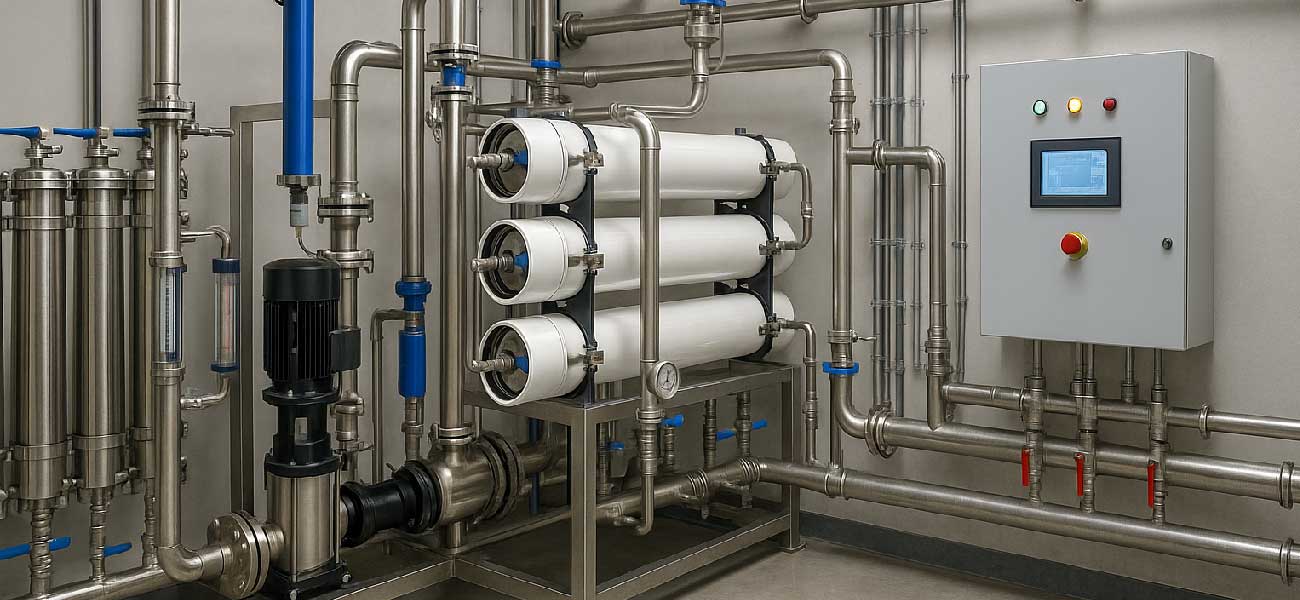
Industrial and large‑building plumbing is being re‑engineered around digital water safety. The new baseline is a documented Water Safety Plan that identifies hazards (Legionella, scalding, backflow, chemical contamination) and defines controls that are measurable and auditable. Designs prioritize hygienic routing, minimized dead‑legs, and materials compatible with temperature and disinfectants. For domestic hot water (DHW), thermal regimes maintain ≥60 °C in storage and ≥50 °C at outlets or, alternatively, secondary disinfection (copper‑silver ionization, chlorine dioxide, or UV) with online monitoring and alarms.
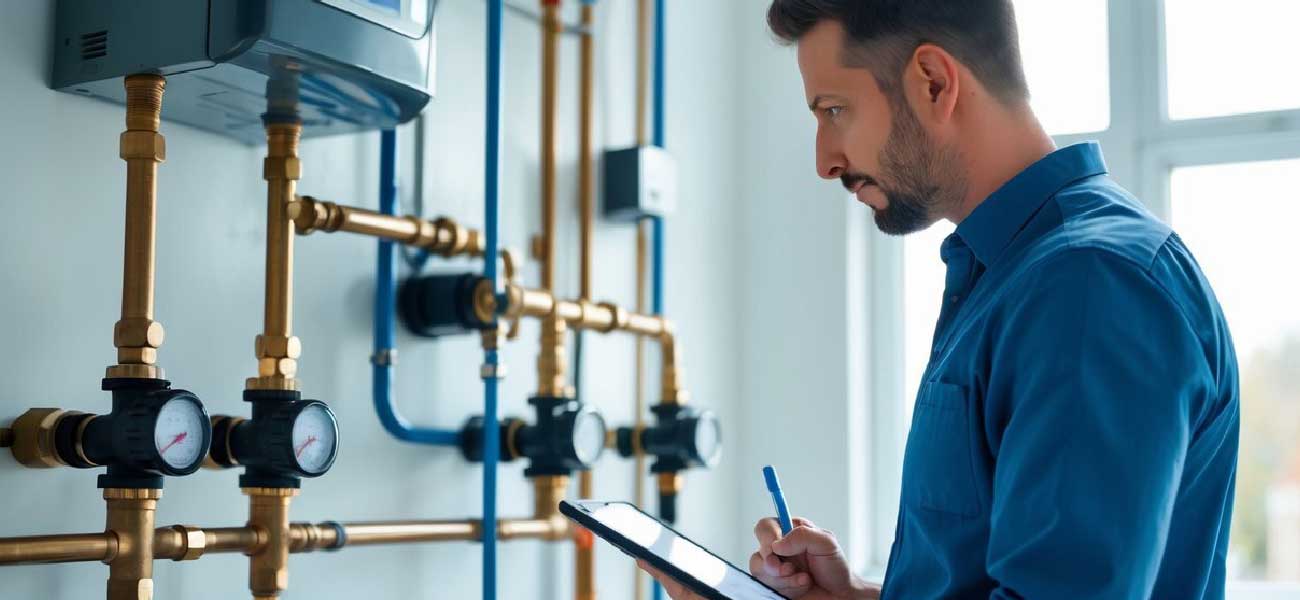
Smart metering and distributed temperature sensors stream data to the BMS to verify pasteurization cycles, stagnation risk, and return temperatures. Mixing valves are now often pressure‑ and temperature‑compensating to stabilize outlet conditions in hospitals, hotels, and dormitories. Where water quality varies, polishing skids—filtration, softening, and activated carbon—protect fixtures and heat exchangers from fouling and scaling. Backflow prevention is treated as a system, not a single device: containment at the meter, isolation at zones, and point‑of‑use protection.
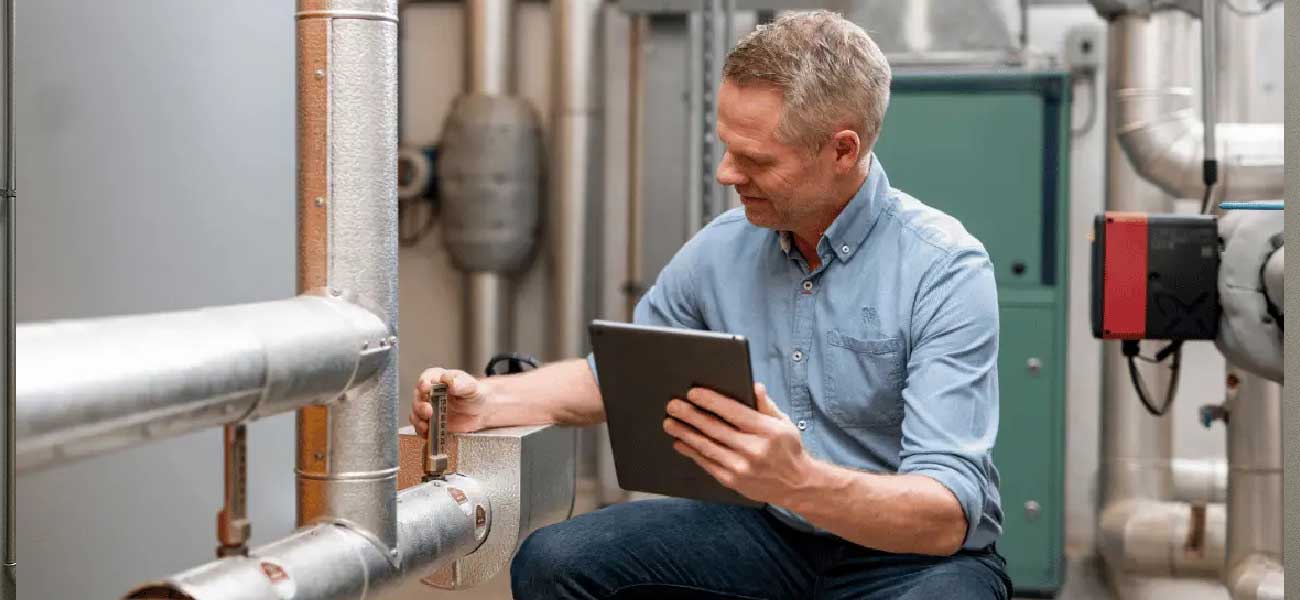
Commissioning emphasizes flushing, disinfection, and verification of sensor accuracy. Trend analytics flag anomalies—persistently warm cold‑water lines, insufficient DHW return ΔT, or erratic chlorine residuals—so teams intervene before risk escalates. With documented sampling and KPI dashboards (temperatures, residual disinfectant, flow profiles), operators can demonstrate compliance and maintain healthy, comfortable, and efficient plumbing across complex facilities.
Related Posts

