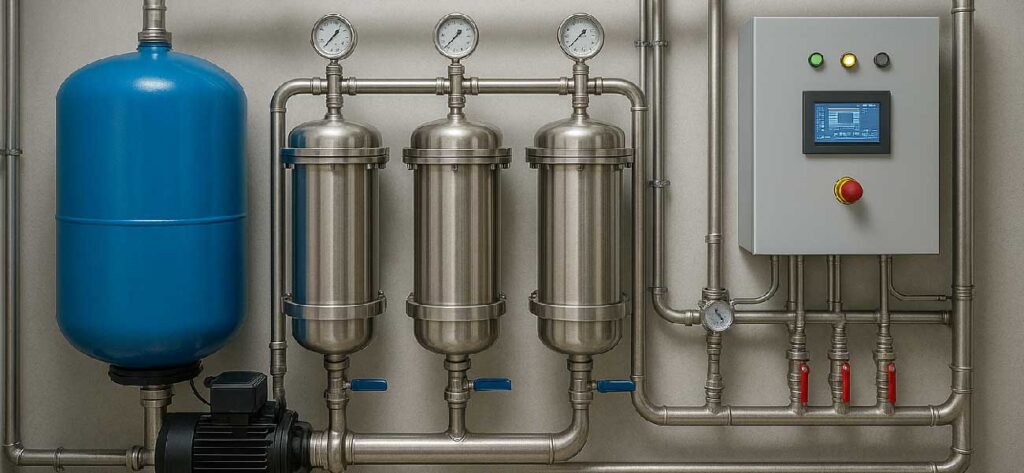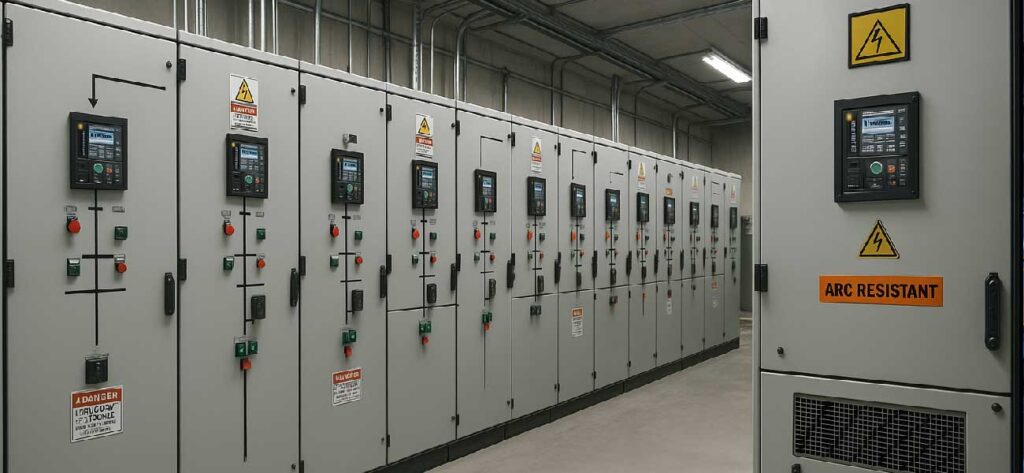

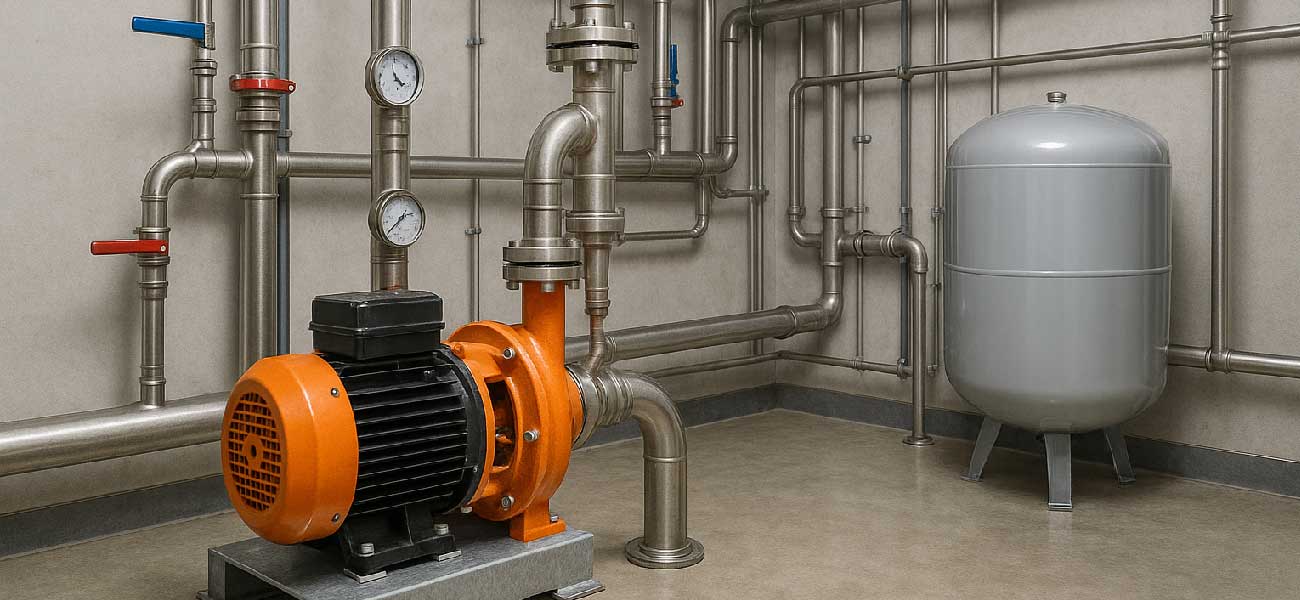
Pressure stability is the backbone of reliable plumbing in tall buildings, campuses, and factories. Modern booster sets use parallel variable‑speed pumps with programmable logic to maintain setpoint and optimize efficiency across a wide demand range. Suction stabilization, anti‑cavitation controls, and duty‑standby rotation extend pump life, while vertical diaphragm pressure vessels dampen surges. VFDs are coordinated to avoid hunting and to respect minimum flows through bypass lines.
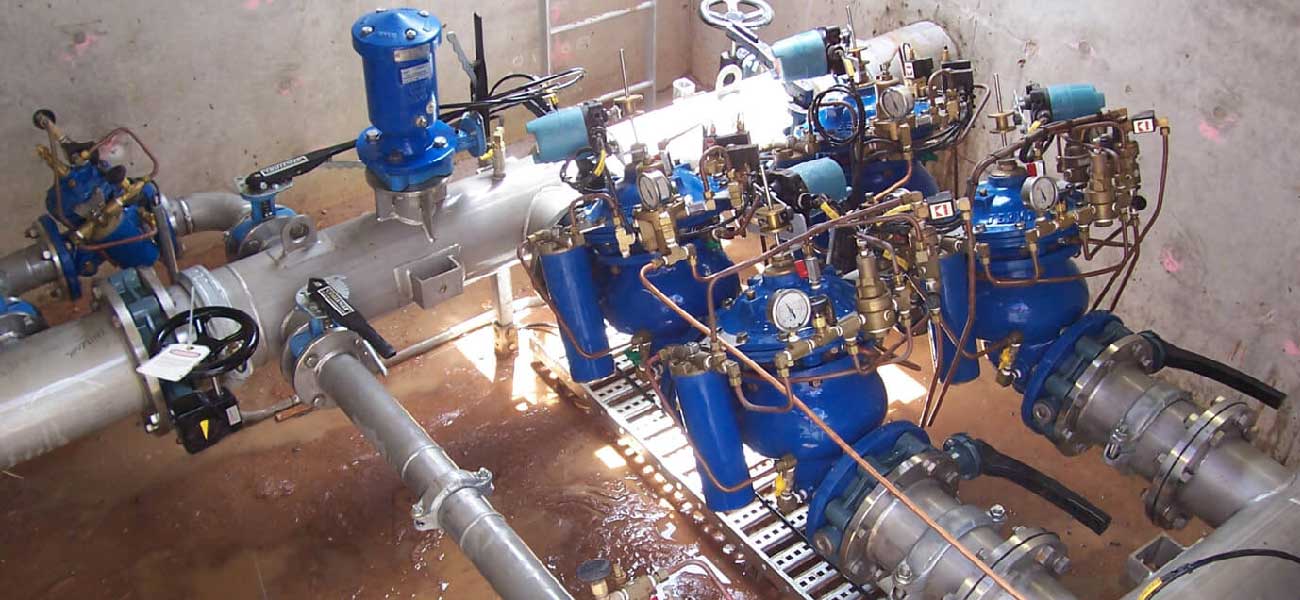
Network design is embracing district‑style zoning with pressure break tanks or PRV stations at intermediate levels to keep fixtures within safe operating envelopes. Transient suppression is no longer an afterthought: water hammer arrestors, fast‑closing valve management, soft‑start sequences, and surge analysis software are applied from the outset. Instrumentation includes high‑speed pressure sensors at hydraulically remote points; the BMS correlates pressure spikes with valve events and issues work orders before leaks occur.
Leak detection and water balance are becoming continuous processes. Ultrasonic meters and sub‑metering by zone feed dashboards that expose night‑time consumption and abnormal profiles. In industrial contexts, process and domestic networks are hydraulically segregated to protect potable supplies. With proper commissioning—pressure tests, flushing, hygienic disinfection—and KPI tracking (specific pump energy, pressure stability index, non‑revenue water), owners gain quieter systems, fewer failures, and lower lifecycle cost..

Related Posts