
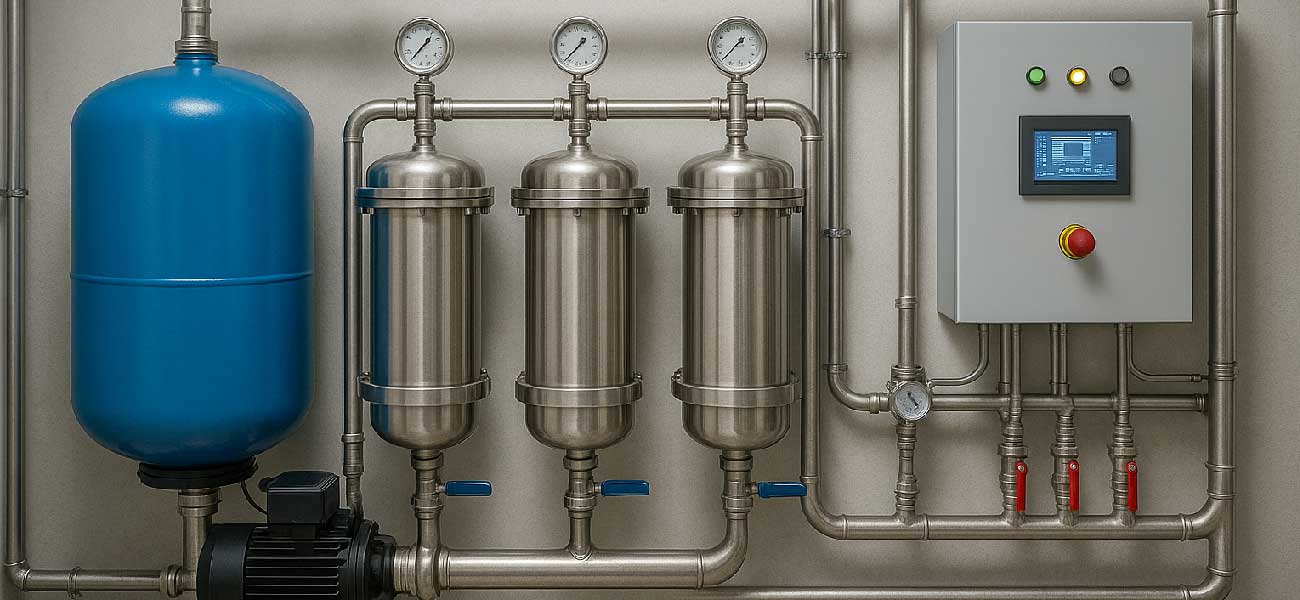
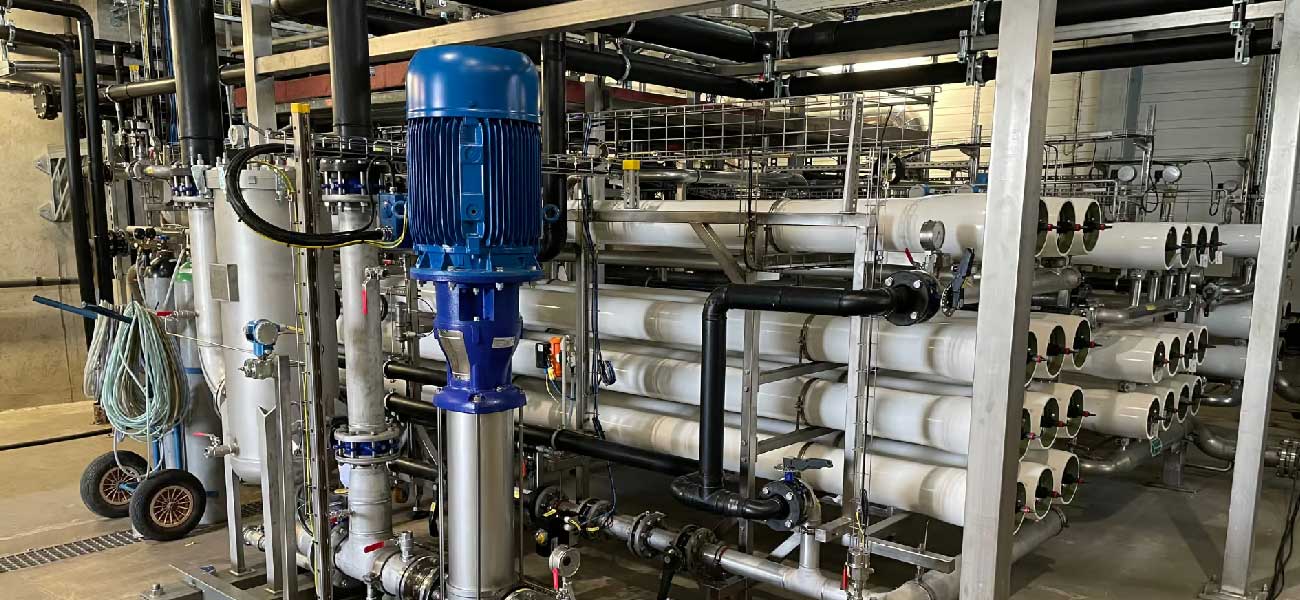
Water efficiency and reuse are moving from pilots to portfolio‑wide practice. Roofs and hardscapes are harvested for non‑potable uses (WC flushing, irrigation, cooling tower makeup) using first‑flush diversion, sediment filters, and disinfection. Greywater from showers and lavatories is treated via membrane bioreactors or ultrafiltration with UV, then buffered in tanks with automated quality monitoring. In factories, process rinse water is captured, filtered, and blended with harvested sources; blowdown heat and water from boilers and cooling towers are recovered where feasible.
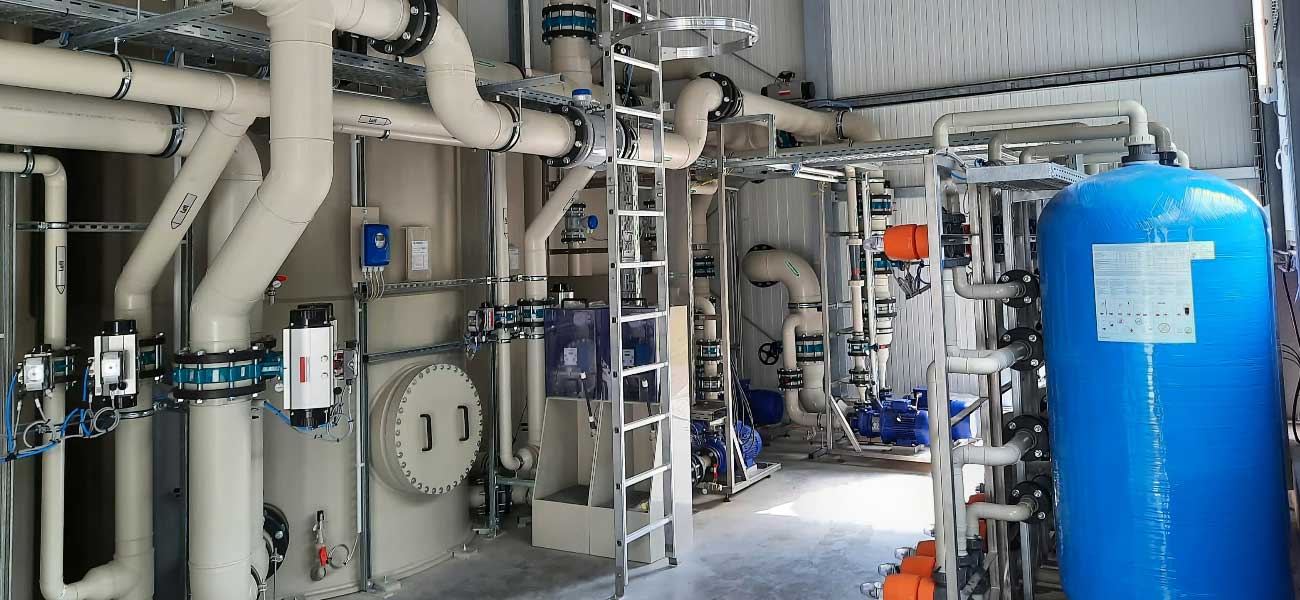
Piping materials are selected for durability and hygiene: HDPE for buried storm and chemical‑resistant lines; stainless steel or PEX with oxygen barriers for domestic networks; solvent‑welded PVC‑u for drainage where temperatures permit. Acoustic and vibration detailing—flexible connectors, isolation hangers, and resilient mounts—keeps mechanical rooms quiet in mixed‑use developments. Smart controls prioritize non‑potable sources when quality thresholds are met and revert to city supply during excursions, with clear backflow and air‑gap protection.
Measurement is the enabler. Sub‑metering by source and end‑use feeds dashboards that calculate water‑use intensity and recycled‑water ratio. With lifecycle cost models that include water tariffs and sewer fees, owners can justify capital investments and visualize savings. When combined with drought‑resilient landscaping and leak‑proof distribution, these systems deliver meaningful reductions in municipal draw, while maintaining reliability and hygiene for occupants and industrial processes alike.
Related Posts